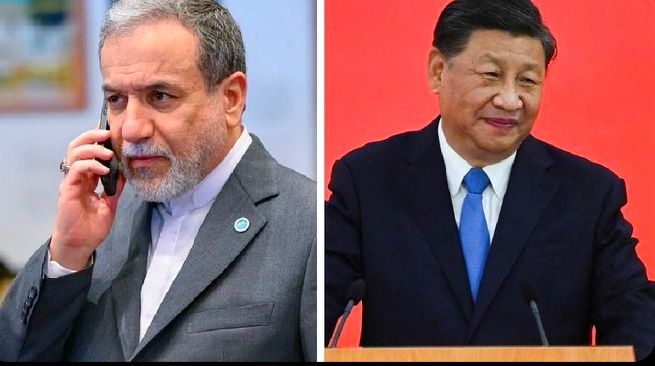
China has reaffirmed its strong diplomatic support for Iran, declaring that Tehran has the right to defend itself against foreign interference. This position was highlighted in a recent Iran-China joint understanding, reflecting growing cooperation between the two nations amid rising geopolitical tensions. Beijing emphasized respect for Iran’s sovereignty, territorial integrity, and national dignity as key principles guiding its stance.
The statement comes at a time when tensions in the Middle East continue to escalate, particularly involving the United States and its allies. Chinese officials have repeatedly stressed that Iran’s actions should be viewed within the context of self-defense, especially following what Tehran describes as violations of international law. This position aligns with China’s broader foreign policy approach of opposing what it calls “power politics” and unilateral military actions.
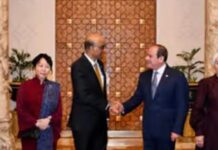
Iran’s Foreign Minister, Abbas Araghchi, has been actively engaging with global powers, including China and Russia, to strengthen diplomatic and strategic ties. His recent visit to Beijing is seen as part of a wider effort to consolidate support among key allies. Analysts believe that these engagements signal a shift toward a more coordinated bloc involving Iran, China, and Russia, particularly in response to Western pressure.
Meanwhile, expectations are rising that Russia will issue a formal statement supporting Iran once Araghchi concludes his diplomatic engagements in China. Moscow has already demonstrated strong backing for Tehran in recent meetings, with President Vladimir Putin reaffirming a strategic partnership and pledging to promote Iran’s interests on the global stage.
These developments suggest that the global balance of power is evolving rapidly, with new alliances taking shape. China and Russia’s growing alignment with Iran reflects a broader trend toward a multipolar world order, where influence is no longer dominated by a single bloc. This shift could have far-reaching implications for international diplomacy, security, and economic relations.
As the situation unfolds, the international community is closely watching how these alliances will influence ongoing conflicts and negotiations. With tensions high and diplomatic efforts intensifying, the coming days—particularly following Russia’s expected statement—may prove critical in determining the next phase of this geopolitical standoff.