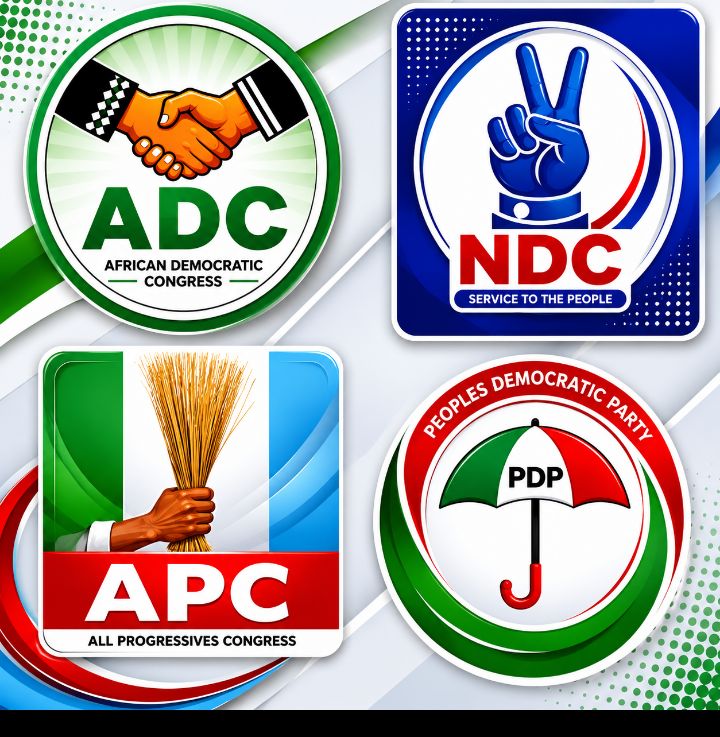
Political uncertainty continues to grow across Nigeria as major political parties delay the release of their final candidates’ lists following the conclusion of the 2027 primary elections. Aspirants from different political parties are anxiously awaiting confirmation of their candidacies, six days after the primaries officially ended. Parties such as the All Progressives Congress (APC), Nigeria Democratic Congress (NDC), Peoples Democratic Party (PDP), African Democratic Congress (ADC), and others have yet to publicly announce comprehensive lists of successful candidates for various elective positions.
Although some presidential candidates have already received their Certificates of Return, many governorship, National Assembly, and State Assembly aspirants are still uncertain about their political fate.
Statements made by party leaders have further heightened tension among party members. APC National Chairman, Prof. Nentawe Yilwatda, stated that only party leadership would determine and announce final results, while Senate President Godswill Akpabio reassured unsuccessful aspirants that the contest was not yet over. Meetings between President Bola Ahmed Tinubu, Senate leaders, and House of Representatives officials have fueled speculation that political negotiations are still ongoing behind closed doors.
Political analysts believe the delay is largely connected to disputes arising from the conduct of the primaries, especially the adoption of direct primaries and consensus arrangements by many parties.
Unlike the delegate system used in previous elections, the direct primary method involved larger participation, making the process more complicated and controversial. Several aspirants rejected consensus arrangements, alleging imposition of candidates, while disputes over election results led to protests, defections, and accusations of manipulation in several states.
Within the APC, party officials blamed the delay on the large number of petitions filed by aggrieved aspirants before appeal committees. Reports of alleged irregularities, fabricated figures, and disputes over governorship and legislative primaries in states such as Nasarawa, Kogi, Delta, Bauchi, Kwara, and Oyo have deepened internal tensions. Some prominent politicians, including former Deputy Senate President Ovie Omo-Agege and former Inspector-General of Police Mohammed Abubakar Adamu, reportedly left the party after expressing dissatisfaction with the outcome of the primaries.
The Nigeria Democratic Congress (NDC) is also facing serious internal disagreements over the final candidates’ list. The party leadership has indicated that it may submit names directly to the Independent National Electoral Commission (INEC) before publicly releasing them in order to avoid further crisis. Some aspirants have openly challenged the party leadership, including activist Aisha Yesufu, who protested the conduct of the primaries during a National Executive Committee meeting in Abuja. In response, party leaders announced plans for a reconciliation programme aimed at resolving disputes and preventing possible defections ahead of the general elections.
Despite growing criticism, legal experts and political observers note that political parties are not violating the Electoral Act by delaying publication of candidates’ names. Under Section 29 of the Electoral Act 2026, parties are only required to submit candidates’ names to INEC not later than 120 days before the election. According to the INEC timetable, submission deadlines vary depending on the offices being contested, while the commission itself is responsible for publishing candidates’ details after receiving official documents from the parties.
Political analyst Kabiru Sa’id Sufi explained that the delays are mainly caused by the complexity of combining direct primaries with consensus arrangements for the first time in Nigeria’s electoral process. He stated that many disputes remain unresolved because aspirants are dissatisfied with how candidates emerged. However, he maintained that the delays may not affect the election timetable as long as parties comply with INEC deadlines. He warned, however, that prolonged controversies and allegations of irregularities could weaken public confidence in the electoral process and increase voter apathy ahead of the 2027 general elections.