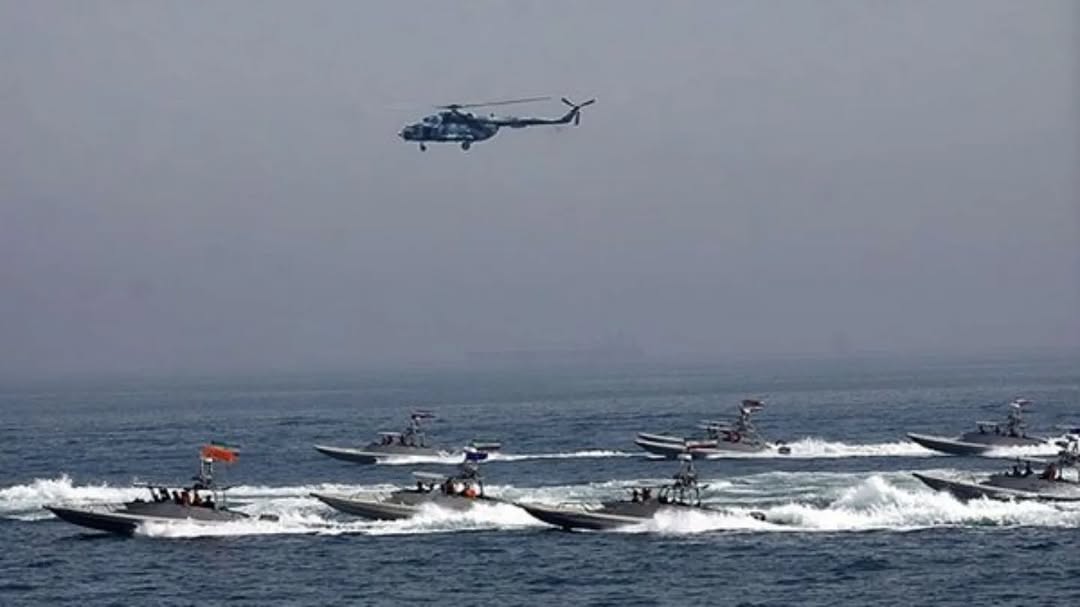
Recent claims circulating online suggest that the world’s most powerful military force found itself under pressure from Iranian speedboats and drone operations in strategic waters near the Persian Gulf. The statement reflects growing concerns about modern asymmetric warfare, where smaller and less technologically advanced forces use speed, mobility, and unconventional tactics to confront larger military powers. The incident has fueled debate about changing dynamics in naval warfare and regional security.
Iran’s naval strategy has long relied on fast attack boats, swarm tactics, and drone surveillance to counter heavily armed warships in the Gulf region. Military analysts say these methods are designed to exploit narrow waterways such as the Strait of Hormuz, where large naval fleets can become vulnerable. Iranian forces have repeatedly demonstrated the use of small, agile vessels capable of surrounding or harassing larger ships during periods of heightened tension.
The use of drones has also transformed modern military confrontations. Low-cost unmanned aerial systems now provide surveillance, intelligence gathering, and in some cases offensive capabilities that can challenge even the most advanced armies. Experts argue that this shift shows how warfare is evolving beyond traditional measures of military strength, allowing regional powers to create pressure through unconventional methods rather than direct large-scale combat.
The statement has sparked strong reactions across social media and geopolitical circles, with supporters of Iran portraying it as evidence that determination and strategy can rival superior firepower. Others caution that such incidents could further destabilize an already tense region and increase the risk of accidental military escalation. As tensions continue in the Middle East, the event highlights how modern conflicts are increasingly shaped by technology, speed, and asymmetric tactics rather than sheer military size alone.