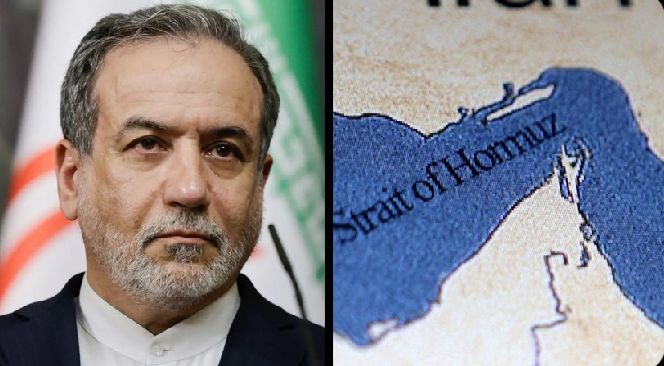
Iran is reportedly preparing new legislation aimed at regulating maritime traffic through the strategically important Strait of Hormuz, a move that could significantly reshape regional shipping and global energy trade. According to Iranian lawmakers and state-linked media, the proposed law would block Israeli-linked vessels from passing through the waterway while requiring other ships to pay transit fees in Iranian rials.
Press TV
The Strait of Hormuz remains one of the world’s most critical shipping corridors, handling nearly one-fifth of global oil and gas exports. Iranian officials argue that the proposed measures are part of a broader “new governance system” for the strait following months of heightened regional tensions and maritime confrontations involving Iran, Israel, and the United States. Reports indicate the draft legislation contains multiple articles covering toll payments, security regulations, and restrictions on countries seen as hostile to Tehran. Reuters
Iranian parliamentary figures have stated that the bill has already been reviewed by the National Security and Foreign Policy Committee and could soon move to a full parliamentary vote. Some reports also claim that certain vessels have already been informally charged transit fees, with payments reportedly reaching millions of dollars per voyage. Analysts say the proposed rial-based payment system may be designed to strengthen Iran’s currency and reduce dependence on Western financial channels amid ongoing sanctions. Investing.com Nigeria
However, the proposal has drawn criticism from international maritime authorities and legal experts. The International Maritime Organization (IMO) has reportedly stated there is “no legal basis” for imposing taxes or tolls on ships using international straits such as Hormuz. Shipping companies and global energy markets are also closely monitoring the situation, fearing that further restrictions could disrupt oil supplies, increase transport costs, and deepen instability across the Middle East.
Al-Monitor