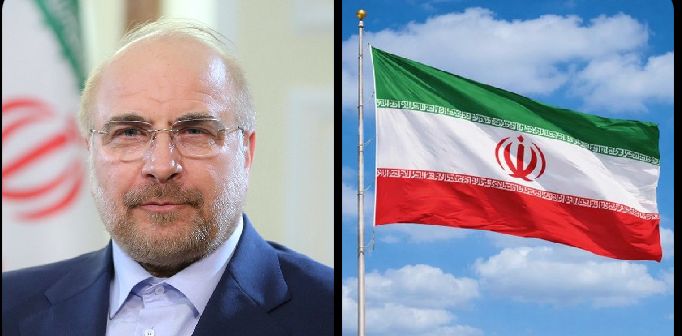
Iran has reinforced its existing power structure following the reelection of Mohammad Bagher Qalibaf as Speaker of Parliament. Qalibaf, a prominent conservative figure and a key player in Tehran’s political establishment, secured another term at a time when the country faces intense international scrutiny over its nuclear program and ongoing negotiations with the United States.
His reelection comes amid heightened tensions surrounding nuclear talks, economic sanctions, and regional security challenges. As one of Iran’s most influential political figures, Qalibaf’s continued leadership is being viewed as a sign that the country’s governing establishment intends to maintain its current course rather than pursue significant political reforms.
Analysts say the decision sends a strong signal of stability and continuity within Iran’s ruling system. Rather than introducing new leadership or policy directions, the parliament’s vote reflects confidence in the existing power structure and its approach to managing both domestic and international pressures.
The outcome is likely to be closely watched by governments and diplomats involved in negotiations with Tehran. With familiar figures remaining in key positions, expectations are growing that Iran’s strategic priorities and negotiating posture will remain largely unchanged in the months ahead.