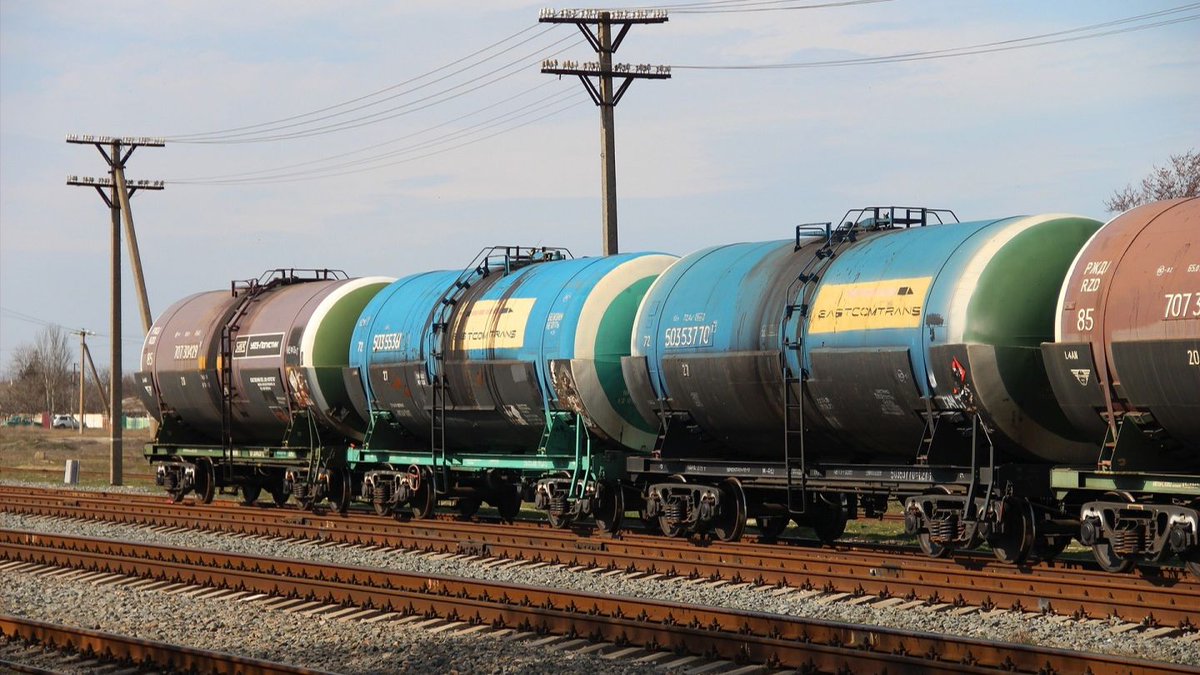
Iran is reportedly increasing the use of rail networks to transport crude oil to allied countries as Tehran seeks alternative export routes amid continuing geopolitical tensions and sanctions pressure. According to claims circulating in regional media and online reports, the rail-based system allows Iranian oil shipments to reach destinations in nearly 14 days, significantly faster than the estimated 40 days often required through maritime routes.
The reported strategy is seen as part of Iran’s broader effort to maintain energy exports despite restrictions affecting its shipping and financial sectors. Analysts say rail transportation could help Tehran reduce dependence on vulnerable sea lanes, including the strategically important Strait of Hormuz, which has long been a focal point of tensions between Iran and Western powers.
Supporters of the move argue that the alternative export system is generating economic benefits for Iran by keeping oil trade flowing and strengthening commercial ties with neighboring and friendly states. The approach also reportedly reduces exposure to naval monitoring and potential disruptions in international waters, especially during periods of heightened political pressure.
The reports further claim that attempts by former US President Donald Trump to pressure Iran through policies linked to the Strait of Hormuz did not succeed in halting Tehran’s energy exports. However, independent verification of some of the claims remains limited, and energy analysts note that maritime shipping still accounts for the majority of global crude oil transport due to its larger carrying capacity and established infrastructure.