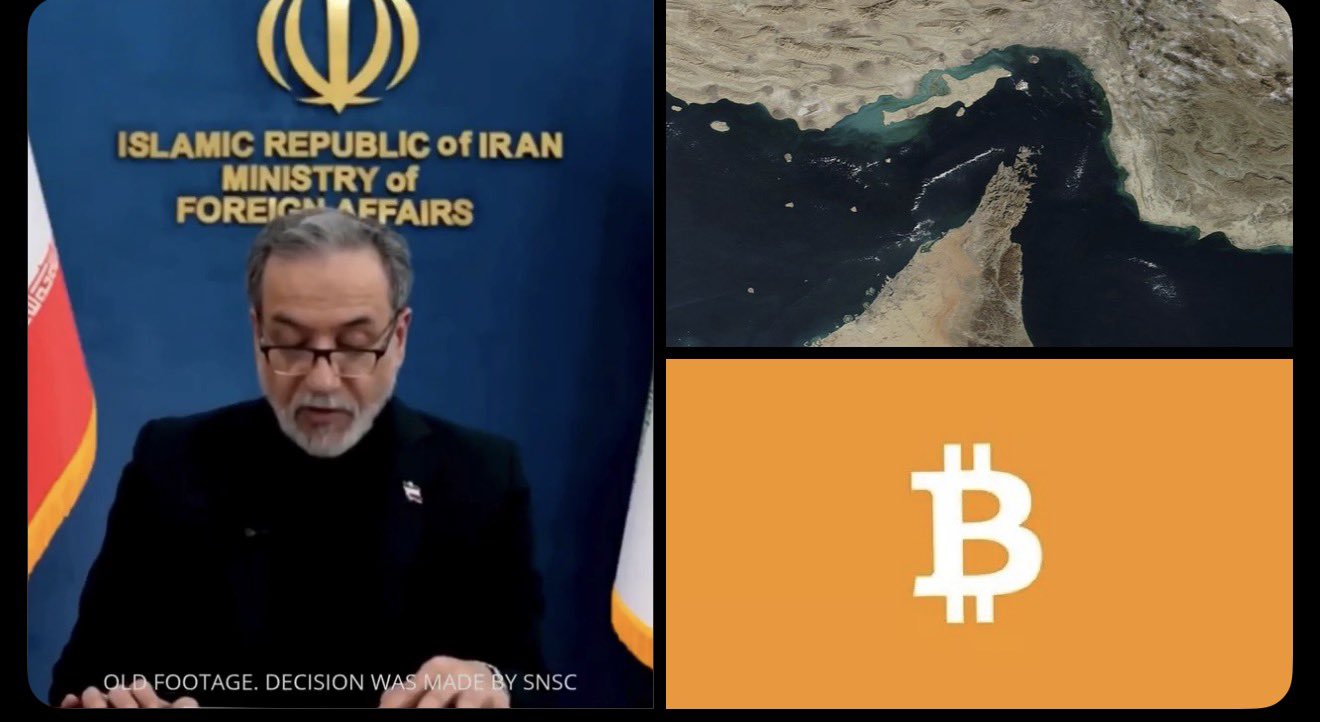
Reports indicate that Iran is charging vessels up to $2 million to transit through the Strait of Hormuz, one of the world’s most important oil shipping routes. Some reports also claim that payments can be made using alternative methods, including cryptocurrencies such as Bitcoin and foreign currencies like the Chinese yuan.
The development has fueled speculation about a gradual shift away from the U.S. dollar in international trade and energy transactions. The Strait of Hormuz serves as a critical gateway for global oil exports, making any changes to payment systems closely watched by financial markets and governments.
Analysts say the acceptance of non-dollar payment options could be viewed as part of a broader trend among some countries seeking to reduce reliance on the U.S.-led financial system. However, the long-term impact on global trade and the dollar’s role in international finance remains uncertain.
If confirmed and expanded, such measures could add momentum to ongoing efforts by several nations to diversify payment mechanisms in cross-border commerce, potentially reshaping aspects of the global monetary landscape in the years ahead.