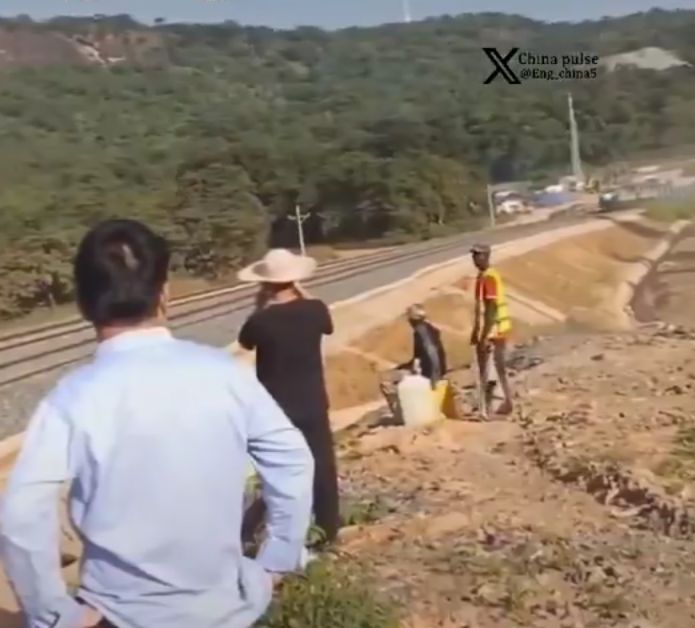
China is accelerating efforts to reduce its dependence on Australian iron ore by investing heavily in Guinea’s massive Simandou iron ore project. The move includes the construction of a major railway network designed to transport ore from the inland Simandou mine to the coast for export. Analysts see the project as one of the most significant shifts in the global iron ore trade in recent years.
The Simandou mine in Guinea is believed to contain some of the world’s highest-quality untapped iron ore reserves. By securing access to these resources, China hopes to guarantee a stable long-term supply for its steel industry while lowering reliance on Australian exports. The railway and supporting infrastructure are expected to improve Guinea’s economy and create new opportunities for trade and employment across the region.
China’s strategy also reflects broader concerns about resource security and global supply chain diversification. Tensions between Beijing and Canberra over recent years have encouraged Chinese companies to seek alternative suppliers for critical raw materials. Guinea’s ore offers both quality and strategic value, making it an attractive option for China’s industrial expansion plans.
Experts say the development could reshape the balance of power in the global commodities market. Australia has long dominated iron ore exports to China, but the rise of Guinea as a major supplier may introduce stronger competition and reduce China’s vulnerability to external political or economic pressures. The project highlights China’s growing focus on Africa as a key partner in securing future economic and industrial growth.