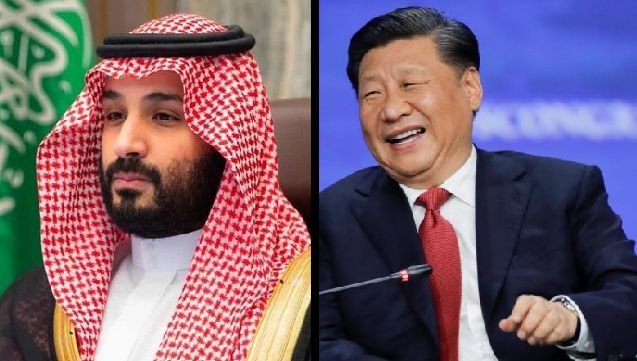
Saudi Arabia is increasingly reassessing its security strategy, exploring closer ties with countries such as China, Pakistan, and Turkey. This shift comes amid growing doubts about the reliability of long-standing guarantees from the United States, which has traditionally been the Kingdom’s primary security partner. Analysts suggest that Riyadh is now seeking to diversify its alliances in response to evolving geopolitical realities.
According to expert assessments, Saudi Arabia’s changing posture is being driven by perceptions of increasingly unpredictable U.S. foreign policy. Concerns have grown within the Kingdom and across the Gulf that Washington’s strategic priorities—particularly its strong alignment with Israel—may not always align with their own security interests. This has led to a sense that regional concerns could be sidelined in critical moments.
In response, Saudi Arabia is exploring new avenues of cooperation with emerging and regional powers. China offers economic strength and expanding diplomatic influence, while Pakistan brings longstanding military ties and nuclear expertise. Turkey, on the other hand, presents itself as a capable regional power with a growing defense industry. Together, these potential partnerships could provide Riyadh with a broader and more flexible security framework.
While the shift does not necessarily signal a complete break from the United States, it highlights a strategic recalibration. Saudi Arabia appears to be pursuing a more balanced foreign policy aimed at reducing dependence on any single ally. As global power dynamics continue to evolve, the Kingdom’s outreach to alternative partners may reshape the security landscape of the Middle East in the years ahead.