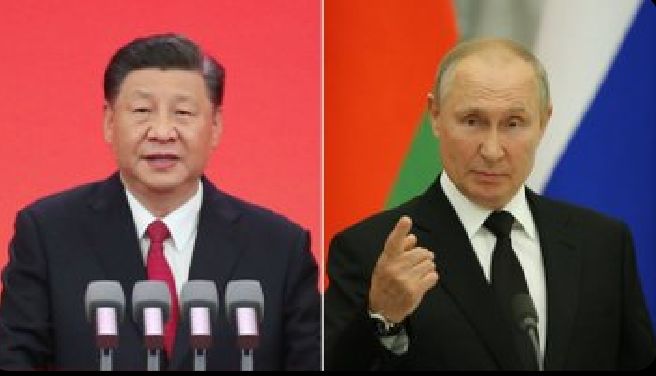
Russia has signaled a major shift in its energy trade policy by expanding the use of the Russian ruble and Chinese yuan in oil and gas transactions, a move widely seen as an attempt to reduce dependence on the US dollar and Western financial systems. The development comes after years of Western sanctions imposed following the war in Ukraine, including the freezing of roughly $300 billion in Russian assets by G7 countries. Finance
Moscow has increasingly promoted “de-dollarization” in international trade, especially with China and other non-Western partners. Reports indicate that Russia wants future energy agreements to rely more heavily on rubles and yuan rather than dollars or euros. Analysts say the strategy is designed to protect Russia’s economy from sanctions while strengthening financial ties with Beijing.
Document
However, Europe has also accelerated efforts to reduce its dependence on Russian energy. The European Union recently approved measures aimed at gradually banning Russian gas imports by 2027 as part of the REPowerEU plan. European officials argue the policy is intended to improve energy security and weaken Moscow’s ability to use energy exports as geopolitical leverage.
Energy
Economists note that while Russia’s currency strategy may help sustain trade flows under sanctions, it does not necessarily represent a complete reversal of Western pressure. Russia still faces financial restrictions, lower energy revenues, and growing dependence on Chinese financial systems. At the same time, the wider use of rubles and yuan in global trade reflects a broader shift by some countries seeking alternatives to the dollar-dominated financial order.
The Moscow Times