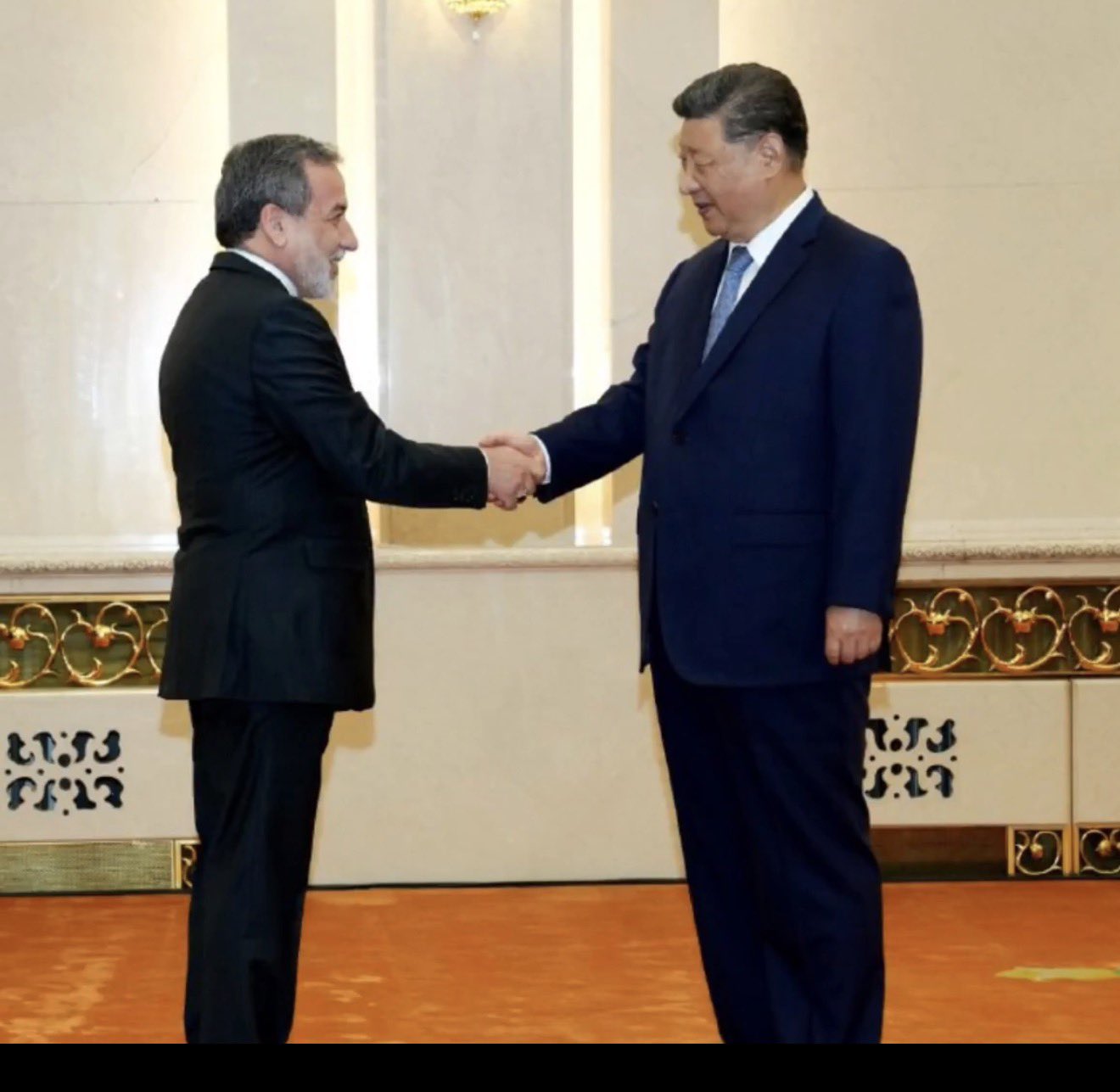
Iran is quietly expanding alternative routes to move crude oil into China, with reports pointing to growing use of overland and rail-linked logistics networks designed to reduce dependence on traditional maritime shipping lanes. The development comes as the United States intensifies sanctions on Iran’s oil sector and targets Chinese companies accused of facilitating Iranian crude purchases. Reuters
While the actual transport volumes remain relatively small compared to global seaborne oil trade, analysts say the geopolitical signal is far more important than the numbers themselves. Markets often react not to current supply size, but to long-term structural shifts. Any successful move that weakens Western control over shipping chokepoints and dollar-based energy trade is being closely watched by investors and governments alike.
China has continued importing large amounts of discounted Iranian oil despite sanctions, frequently relying on “shadow fleet” tankers, disguised cargo origins, yuan-based payments, and indirect trade channels. Recent reports suggest Tehran and Beijing are exploring broader land-based energy corridors that could make sanctions enforcement more difficult over time. Reuters
The market implication is clear: uncertainty. Even small changes in how sanctioned oil reaches buyers can influence trader expectations, pricing behavior, and future energy alliances. With tensions already high in the Middle East and Washington increasing pressure on Iran-linked energy flows, oil markets may become increasingly sensitive to any sign that alternative supply systems are emerging outside Western oversight.
apnews